Executive Summary: Investor calls are more than a routine exchange — they’re a critical repository of hidden cues that can make or break investment decisions. AI-powered sentiment analysis tools now offer analysts a smarter, faster way to decode these nuances, from subtle shifts in tone to emotional undercurrents often missed in manual reviews. This article unpacks the technologies behind AI sentiment analysis, highlights real-world applications, and examines challenges like contextual sensitivity and over-reliance. You’ll also discover how advanced tools optimized for finance provide actionable insights that can give you a decisive edge. Dive in to learn how to turn raw communication into precise, data-driven strategies that fuel smarter investment decisions.
Investor calls are the unscripted moments where the future of companies takes shape — hidden in executive tones, subtle shifts in phrasing, and even the unspoken pauses. These conversations aren’t just about the numbers; they’re about the confidence (or hesitation) executives reveal between the lines.
For hedge funds and equity analysts, every nuance matters, whether it’s a CEO’s slight shift in language or the tone they use when answering a pointed question. But let’s face it, traditional methods of capturing these insights are far from efficient.
In essence, manually sifting through transcripts is a time-consuming process prone to inconsistencies and missed opportunities.
Here’s where AI-powered sentiment analysis tools step in. These advanced solutions offer a way to capture, interpret, and analyze the hidden emotional and contextual signals that human analysis often overlooks. They’re not just faster; they’re sharper, turning raw communication into data-driven insights that empower analysts to make smarter, quicker decisions. With AI in their corner, financial professionals are no longer playing catch-up — they’re leading the charge.
IN THIS ARTICLE
- How AI tools — from Natural Language Processing to Emotion AI — decipher hidden signals in investor calls;
- Why these tools are reshaping the way analysts interpret sentiment, delivering faster, sharper, and more consistent insights;
- Real-world examples of firms like HSBC and Aviso leveraging AI to spot emerging trends and act decisively.
- The challenges of AI, including data quality and contextual sensitivity — and how to overcome them, and;
- Future trends, such as multimodal analysis and predictive analytics, that promise to elevate sentiment analysis even further.
The Foundation: What Is AI-Powered Sentiment Analysis?
Think of AI-powered sentiment analysis as your trusted financial interpreter, seamlessly translating the complexities of communication into actionable insights. It goes beyond just decoding the words spoken during investor calls — it captures the emotions, context, and intent behind them. Here’s how it works:
- Natural Language Processing (NLP): NLP is more than a language decoder — it’s the foundation of understanding context and meaning in communication. This technology breaks down sentences into their structural and semantic components, ensuring no detail is overlooked. It’s particularly adept at interpreting the complex and often jargon-heavy language of finance. Whether it’s analyzing subtle differences in phrasing or detecting shifts in tone, NLP ensures that every layer of meaning is captured with precision. For example, recognizing a change from “expect” to “hope” could signify a shift in confidence, a key insight for analysts.
Pro Tip: Use NLP-powered tools for early detection of tone shifts across multiple calls to identify patterns and emerging trends before competitors do.
- Machine Learning Algorithms: Machine learning thrives on data, and in finance, there’s no shortage of it. These algorithms analyze enormous datasets, identifying patterns and correlations that humans might miss. Over time, they adapt to the evolving language of finance, refining their accuracy with each new dataset. This adaptability makes them invaluable for tracking sentiment shifts across quarters or comparing similar companies within an industry. For instance, machine learning might highlight recurring cautious language in a CEO’s statements before it’s reflected in the company’s performance.
Pro Tip: Train machine learning models on sector-specific datasets to boost the relevance and accuracy of sentiment predictions for niche markets.
- Emotion AI: Emotion AI goes beyond words to analyze the subtleties of speech, including tone, pitch, pacing, and even pauses. This capability is crucial for detecting underlying emotions, such as hesitation or enthusiasm, that text analysis alone might miss. For example, a noticeable hesitation before answering a direct question could indicate uncertainty, even if the words themselves seem neutral. Emotion AI bridges the gap between what is said and how it’s conveyed, offering a deeper layer of insight into executive sentiment.
Pro Tip: Pair Emotion AI with video analysis tools to gain even more nuanced insights by combining vocal patterns with facial expressions and body language cues.
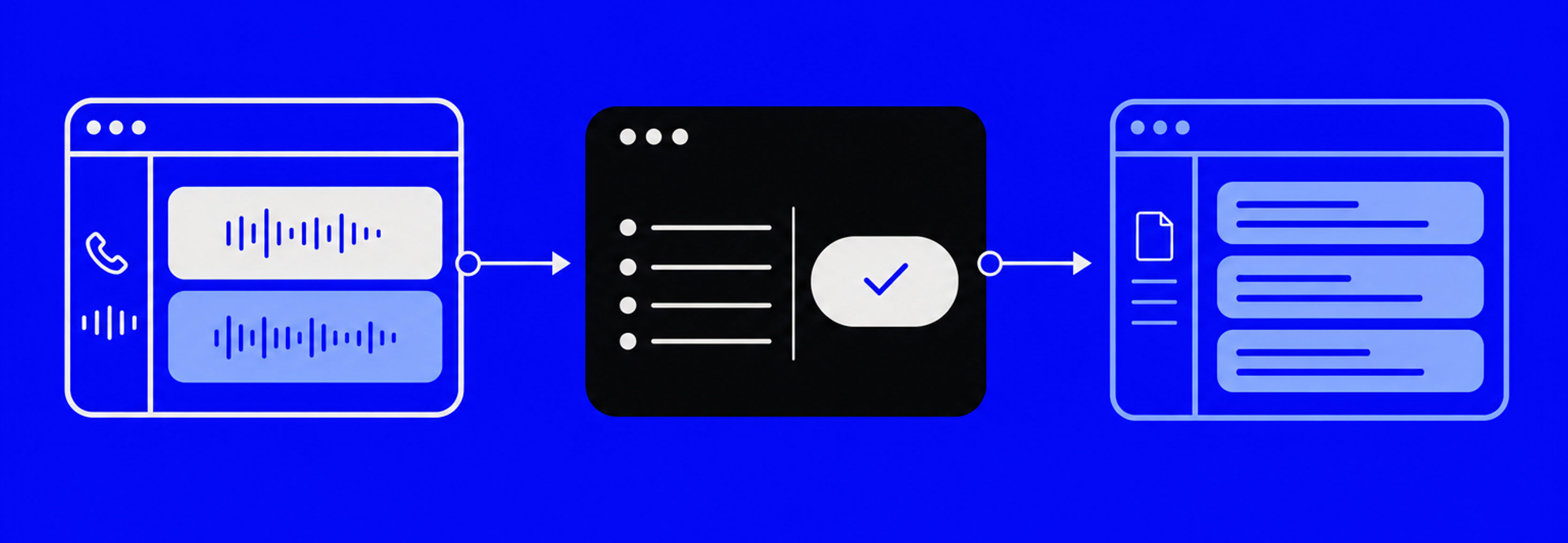
These technologies don’t just work in isolation; they combine to form a robust system that translates complex human communication into precise, data-driven insights. This synthesis of capabilities ensures that financial professionals have a clear, unbiased, and scalable way to interpret sentiment — a process that no longer relies on intuition alone but instead blends human expertise with cutting-edge AI.
Why Sentiment Analysis Matters in Finance
In finance, sentiment analysis is more than a helpful tool — it’s a strategic cornerstone. Every phrase in an earnings call can carry significant weight, with a CEO’s choice of words signaling confidence, doubt, or something in between. It’s not just about what’s said; it’s about how it’s said, and for financial analysts, these subtleties provide critical context for interpreting the future direction of a company. This level of insight is indispensable for:
- Risk Assessments: Detecting early warning signs or emerging opportunities by analyzing shifts in sentiment over time.
- Comparative Analysis: Evaluating sentiment trends across competing companies and sectors to identify broader market patterns.
- Actionable Insights: Converting qualitative language into quantitative data that supports robust, evidence-based investment decisions.
Imagine the chaos of peak earnings season, with hundreds of calls vying for attention. Analysts must sift through endless hours of audio, parsing transcripts for crucial details — a task both daunting and error-prone. Sentiment analysis tools revolutionize this process.
By automating the identification of patterns and trends, these tools not only save time but also enhance the depth of insights available. They allow analysts to step away from labor-intensive tasks and focus on high-level strategy, transforming data into a competitive advantage.
The Evolution of Sentiment Analysis: From Manual to Machine
Let’s take a step back and revisit how sentiment analysis was done before AI took the stage. It was a painstaking, manual process where analysts would comb through hours of transcripts, relying heavily on their instincts and expertise to interpret tone, intent, and meaning. While this approach occasionally uncovered valuable insights, it came with significant limitations:
- It’s Slow: Parsing hours of calls isn’t just tedious; it’s a major time sink. Imagine trying to keep up with earnings season, analyzing hundreds of calls without automated support. By the time insights are drawn, the opportunity to act may already be gone.
- It’s Inconsistent: Human interpretation is subjective. Two experienced analysts might read the same statement in entirely different ways based on their own biases or context, leading to unreliable conclusions.
- It’s Limited: Scaling this process is almost impossible. When analysts are juggling multiple companies, sectors, and datasets, the manual approach leaves too many gaps and risks missing crucial patterns.
Enter AI-powered sentiment analysis, which has not only automated this process but elevated it to new levels of precision and scalability. These tools bring speed, consistency, and insight into the equation, making the process exponentially more effective. They don’t just crunch numbers or analyze text; they uncover subtleties like sarcasm, tone shifts, or even hesitation — things human analysts might miss, especially under tight deadlines.
For instance, consider a CEO’s slight pause before responding to a challenging question. In a manual review, this might go unnoticed or be dismissed as inconsequential. AI, however, flags such moments as potential indicators of hesitation or uncertainty, turning them into actionable data points. It’s not just about speeding up the process; it’s about making the analysis richer and more insightful, giving analysts an edge in a competitive field.
The Benefits of AI in Sentiment Analysis
1. Speed and Efficiency
When earnings season hits, timing isn’t just important — it’s everything. AI tools excel at analyzing sentiment in real-time, delivering actionable insights before the call even concludes. This kind of speed enables analysts to react faster than competitors, potentially capitalizing on market shifts before they fully materialize.
Consider this scenario: a hedge fund manager must tune into multiple earnings calls in a single afternoon. Without AI, they would need to manually parse through hours of dialogue, delaying their ability to act. With AI tools, they receive instant sentiment summaries and red-flag potential issues as they happen. Whether it’s an unexpected tone of caution in a CEO’s voice or a sudden shift in phrasing, these insights allow for swift, well-informed decisions.
Beyond immediacy, AI also enhances the scope of analysis. By processing data from dozens of calls simultaneously, it frees analysts to focus on high-value tasks such as strategizing or conducting deep dives into specific companies — tasks that might otherwise be sidelined by labor-intensive manual reviews.
2. Nuanced Understanding
AI tools optimized for finance dig deeper than surface-level analysis. They:
- Detect subtle shifts in tone or phrasing, such as a change from “we expect growth” to “we hope for growth,” which may signal a decline in confidence.
- Decode complex financial jargon, understanding the context behind terms that are highly industry-specific.
- Track sentiment over multiple quarters, identifying trends that could predict future company performance.
For instance, consider a scenario where a company’s management shifts from using assertive language like “will achieve” to more cautious phrases such as “working towards.” AI tools can flag this shift, prompting analysts to investigate potential underlying causes — whether operational challenges or market pressures.
Over time, this nuanced understanding doesn’t just reveal what’s happening; it helps forecast what’s likely to happen next. By identifying sentiment trends, analysts can predict potential challenges or opportunities even before they become apparent in a company’s financial metrics.
3. Consistency Across Data
Humans excel in critical thinking but are inherently prone to fatigue, bias, and inconsistency. This variability can pose a significant problem when analyzing data at scale. AI eliminates this issue by ensuring that sentiment analysis remains consistent, regardless of volume or complexity.
Imagine analyzing sentiment across 500 earnings calls in a single season. Without AI, discrepancies between analysts’ interpretations could lead to fragmented or conflicting conclusions. AI tools standardize the evaluation process, making it easier to draw reliable, apples-to-apples comparisons across multiple companies and sectors.
Consistency also matters when revisiting historical data. With AI, analysts can review sentiment trends with the confidence that previous evaluations were conducted using the same rigorous standards, ensuring continuity over time.
4. Quantifiable Insights
The transformation of qualitative observations into measurable data is one of AI’s greatest strengths. AI tools produce metrics that integrate seamlessly into financial models, providing analysts with data-backed insights. Examples include:
- Sentiment Scores: Assigning values (e.g., -1 to 1) to gauge overall positivity or negativity.
- Temporal Trends: Charting sentiment changes over time to highlight patterns or shifts.
- Topic-Specific Sentiment: Assessing confidence in specific areas, such as a product line or market strategy.
These quantifiable insights empower analysts to make decisions grounded in objective data rather than subjective impressions. For instance, a sudden dip in sentiment scores over consecutive quarters could prompt early investigations into potential operational challenges before they escalate.
And here’s a key differentiator: Advanced sentiment analysis with AI tools optimized for finance ensures these insights are tailored to the unique demands of the industry. Looking for a partner to help you navigate this landscape? Companies like Inflexion Transcribe specialize in financial transcription and analysis, offering precision and expertise that turns data into actionable strategies.
Real-World Applications: Case Studies in Action
HSBC: Optimism in Earnings Calls
HSBC used AI tools to analyze corporate earnings calls and found increased optimism among top companies. This insight helped them adjust their strategies and stay ahead of market trends. For example, detecting increased confidence in the tech sector led HSBC to allocate more resources toward technology-focused investments.
Aviso: Identifying Hidden Market Trends
Aviso’s AI-powered sentiment analysis uncovered trends that manual reviews missed, enabling them to capitalize on opportunities faster. By flagging subtle shifts in sentiment within healthcare companies, Aviso identified a growing market for telehealth services before it became a widely recognized trend.
These examples aren’t just theoretical; they’re proof that AI-driven sentiment analysis delivers tangible results, empowering firms to make proactive, informed decisions.
Challenges and Limitations of AI Tools
No technology is perfect, and AI sentiment analysis has its challenges. Here’s what to watch out for:
1. Data Quality and Bias
Garbage in, garbage out. AI models are only as good as the data they’re trained on. Poor-quality or biased data can lead to inaccurate insights, so careful curation is key. For instance, if an AI model is trained predominantly on data from one industry, it may struggle to generalize to another.
2. Contextual Sensitivity
AI can stumble with:
- Sarcasm.
- Cultural nuances.
- Complex industry-specific language.
For example, a CEO’s sarcastic remark might be misinterpreted as genuine optimism. Human oversight remains essential to ensure accuracy, particularly for high-stakes decisions.
3. Over-Reliance Risk
AI is a tool, not a substitute for human expertise. Use it to complement, not replace, your analysis. Validate outputs, combine them with fundamental analysis, and maintain a balanced approach. This hybrid method ensures that AI insights enhance, rather than overshadow, human judgment.
Future Trends in AI-Powered Sentiment Analysis
The best is yet to come. Here’s where sentiment analysis is headed:
1. Multimodal Analysis
Future tools will integrate text, audio, and video data, capturing:
- Vocal tone shifts.
- Facial expressions.
- Body language.
This holistic view promises even deeper insights. Imagine pairing text sentiment with visual cues, like a CEO’s body language during tough questions, to paint a complete picture of sentiment.
2. Predictive Analytics
AI will move from reactive to predictive, forecasting market movements based on historical sentiment trends. Imagine knowing what’s likely to happen before it does. For example, sentiment analysis combined with market data could highlight sectors poised for growth before earnings reports confirm it.
3. Customizable Models
Tailored AI tools will:
- Adapt to specific industries or firms.
- Reflect individual analyst preferences.
- Integrate seamlessly with proprietary data.
This customization ensures that the tools remain relevant and effective, even as market dynamics evolve.
Turning Insights Into Action
AI-powered sentiment analysis isn’t just about data; it’s about decisions. For hedge funds and equity analysts, these tools offer a way to move faster, think smarter, and stay ahead. By pairing advanced AI tools with reliable transcription services, professionals can unlock insights that drive results.
Looking to elevate your analysis? With partners like Inflexion Transcribe, you can combine advanced sentiment analysis with precise transcription, ensuring your data is accurate, actionable, and ready to inform your next move.